Symbol Atlas · 05Frame study
Solar Circle
A circular compositional frame studied without claiming a single timeless meaning.
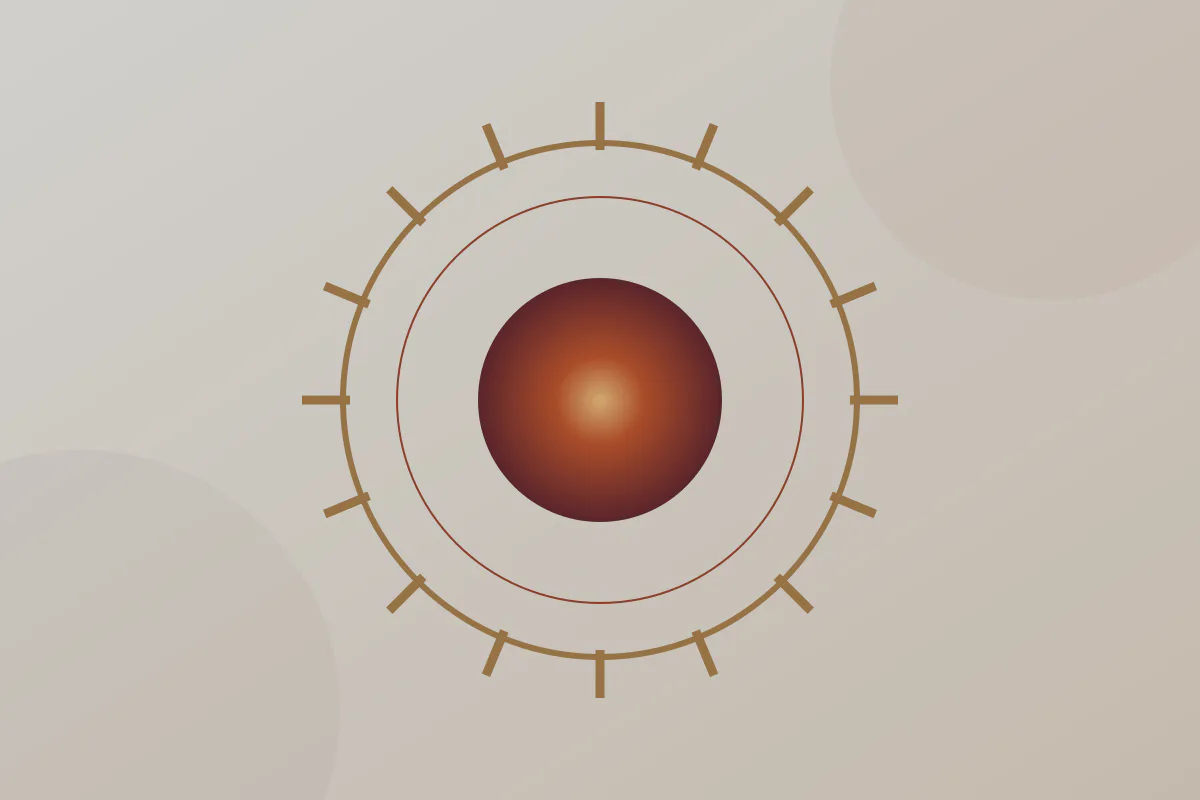
Circles can organize figures, echo discs found in documented objects, or simply suit the geometry of seals, medallions and screens. The atlas uses “solar circle” for its own design study; it does not assign that label to every circular historical object.
Historical claims below are tied to a named record. Visual guidance is our contemporary editorial analysis.
Record-based notes
What is documented
The British Museum catalogues a Roman-period terracotta phoenix with a solar disc on its head.
Circular fields and concentric bands also appear in decorative objects for reasons of form and manufacture.
A documented disc in one object cannot establish the meaning of all circles elsewhere.
Studio reading
Contemporary visual choices
- A circle stabilizes an energetic bird silhouette.
- Offset rings create depth without imitating a historical inscription.
- Blank border space helps captions remain distinct from invented ornament.
Applied analysis
Three ways to read the motif
Object record
The museum label establishes what is known about one terracotta figure.
Medallion layout
A center, field and border create a clear reading order.
Modern frame
Our rings are original drafting devices, not replicas of historical signs.
Reference shelf
Sources & further reading
- Terracotta phoenix figure, probably 2nd century — British Museum
A documented Roman-period object from Akhmim with a solar disc.
- Phoenix Motif Atlas studio notes
Original visual-analysis notes created for this publication; interpretation is labeled as such.